
Topic
Media literacy: How to read a news story like an editor, in four checks
Editors read for named sources, attribution, corrections, and the line between reporting and argument. A practical guide to reading news the way a desk does.
Editors read for named sources, attribution, corrections, and the line between reporting and argument. A practical guide to reading news the way a desk does.

Most independent bookstores run on net operating margins of 0% to 4%. Curation, events, and sidelines — not book sales — keep the doors open.

Revenue by source, operating profit, then guidance: the three-line read. The NYT's second-quarter 2026 numbers, 13.35 million subscribers and $9.94 ARPU, show each line at work.

How a holding company running dozens of local titles actually works, and what the trade-offs look like from the newsroom side.

Publishing a children's book usually means agent first, publisher second. The routes, the formats, the costs, and what Wonderbly's 8-million-book run proves.

Spotify's payout machine explained: streamshare, recording and publishing royalties, why no per-stream rate exists, and what the 2025 payout numbers show.
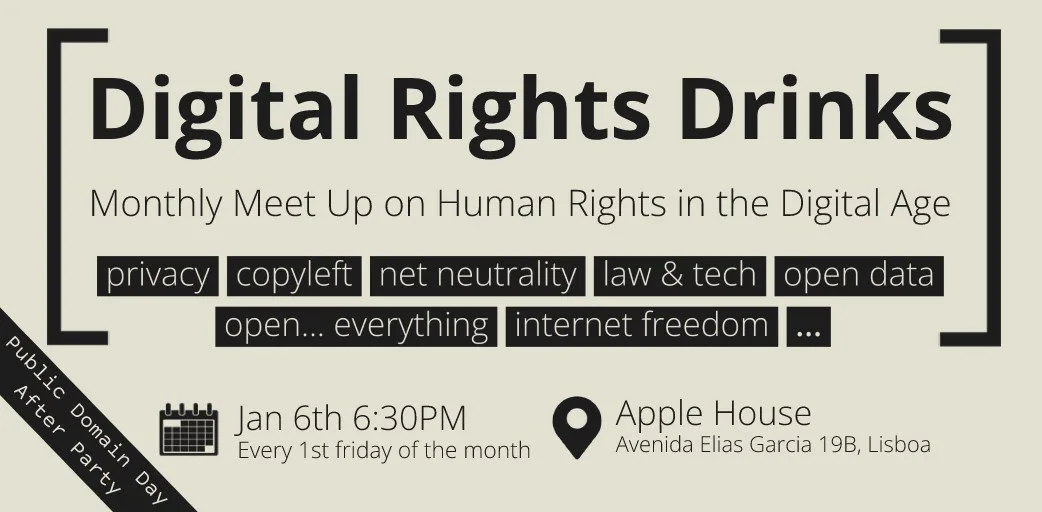
A plain-language guide to licensing, platform terms of service, and the digital rights writers and artists keep — or hand over — with every upload.
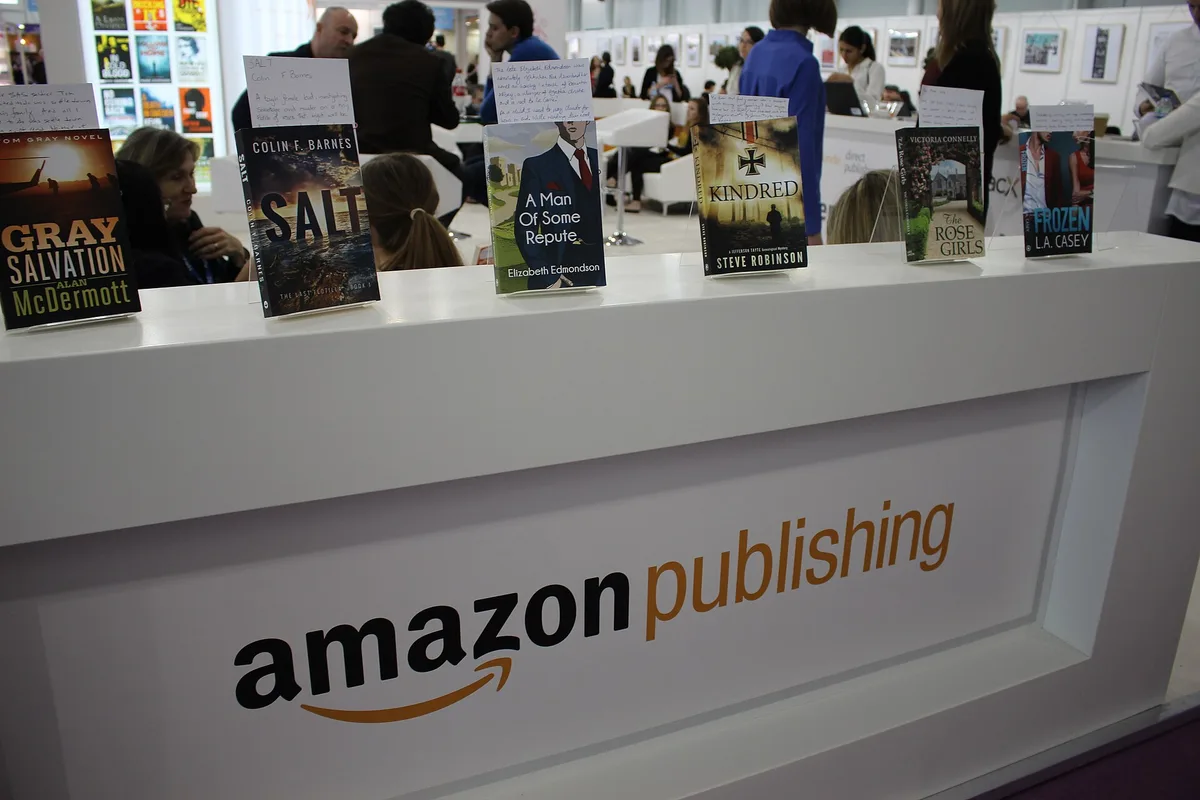
KDP is free to use and pays up to 70% on ebooks — but the royalty you get depends on choices you make before you hit publish.

Covers are the publishing industry's shortest pitch: a genre signal, a price promise, and a shelf test, all in one glance.

Data centers, streaming and storage all consume real power. Separating what is measured from what is guessed is the useful part.