
Topic
Publishing houses — Editorial, sales, or rights: how publishing careers actually split
Editorial buys and shapes books, sales moves them, rights licenses them again — the career tracks of publishing, compared with the 2025 pay data.
Editorial buys and shapes books, sales moves them, rights licenses them again — the career tracks of publishing, compared with the 2025 pay data.

From the Wall Street Journal's 1889 basement start to the Enron scoops: how financial desks read documents first and produced stories that changed markets and rules.

Most independent bookstores run on net operating margins of 0% to 4%. Curation, events, and sidelines — not book sales — keep the doors open.

Revenue by source, operating profit, then guidance: the three-line read. The NYT's second-quarter 2026 numbers, 13.35 million subscribers and $9.94 ARPU, show each line at work.

Trey Parker and Matt Stone turned a fast, cheap production loop and retained ownership into one of adult animation's most durable businesses.

How a holding company running dozens of local titles actually works, and what the trade-offs look like from the newsroom side.

Inside the editorial meeting, the news values behind it, and how one day's local front page gets made.
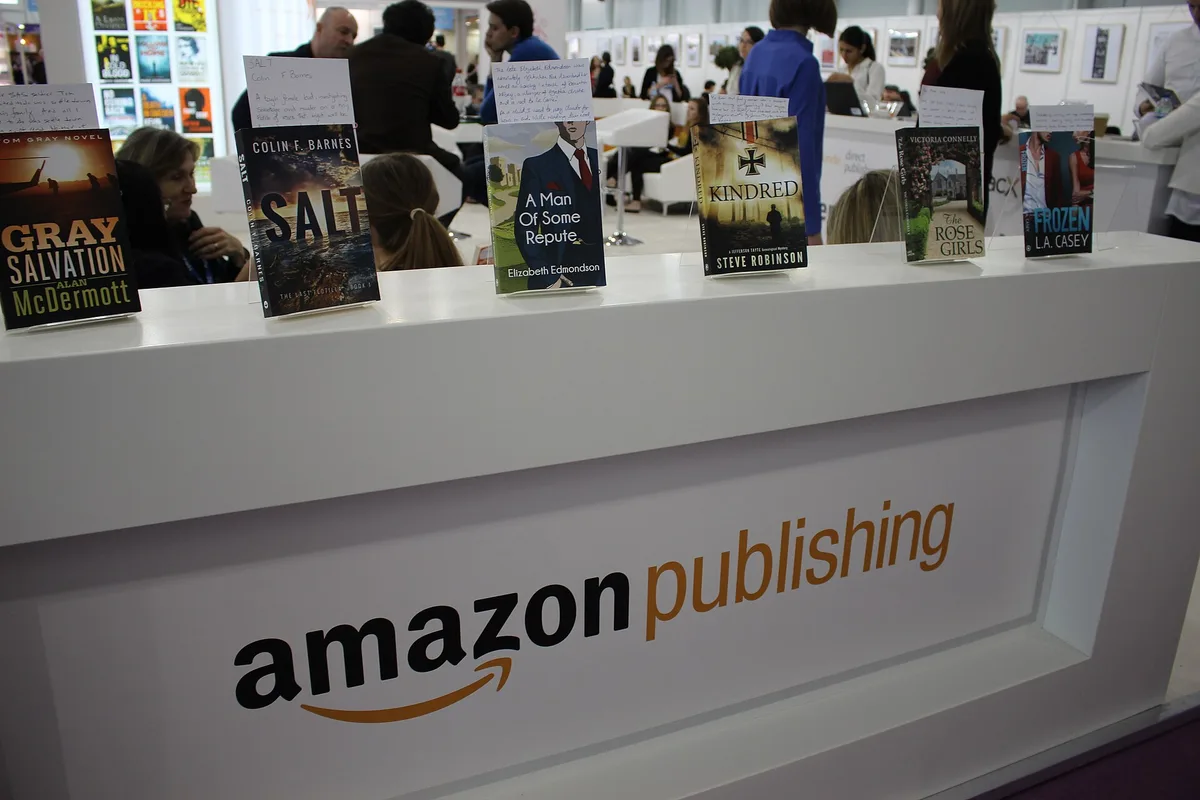
KDP is free to use and pays up to 70% on ebooks — but the royalty you get depends on choices you make before you hit publish.

Covers are the publishing industry's shortest pitch: a genre signal, a price promise, and a shelf test, all in one glance.

Data centers, streaming and storage all consume real power. Separating what is measured from what is guessed is the useful part.