Subscribers who engage in their first week renew at dramatically higher rates than those who don't — the pattern is consistent across subscription-industry research and publishers' own cohort data, and it is why the Times' disclosures keep returning to habit formation and multi-product adoption as the levers behind its retention numbers. Yet most publications put weeks of craft into the sales page and nothing into the thirty days after payment. Onboarding is the highest-leverage retention work available, it costs email sequences rather than media spend, and this guide covers the sequence that works: what to send, when, and what each message is for.
Licht Journal publishes information, not marketing advice; patterns are from published subscription research and operators' cohort data.
What does the first thirty days need to accomplish?
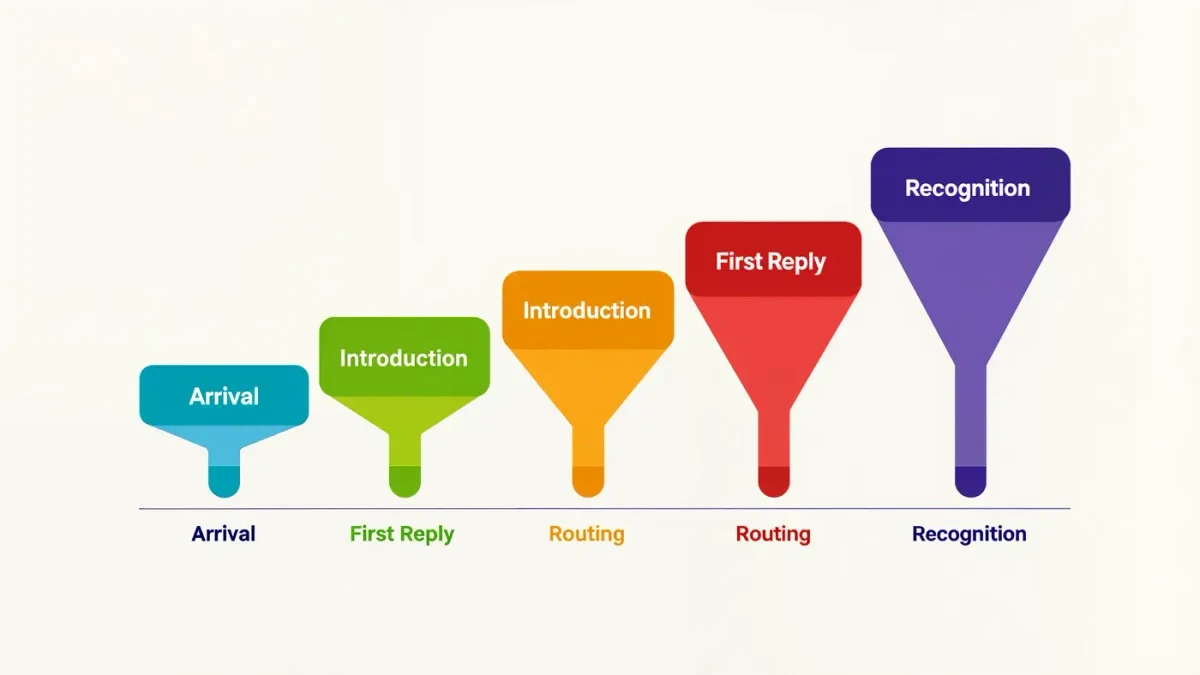
Three jobs, in order: deliver the promise (prove the purchase was right, immediately), establish the habit (create a usage rhythm that survives novelty), and teach the breadth (introduce the features and verticals the subscriber didn't buy but now has). A subscriber whose first month completes all three has, in the cohort data, effectively converted from triallist to member; one whose first month is silent is already halfway out the door — cancelling in spirit at week two even if the mechanics take longer.
The sequence, message by message
Day 0 — the receipt that delivers: confirm the purchase and immediately hand over the best of what they bought: how to log in, the single best piece of recent work to start with, and how to set up the delivery they'll actually use (app, newsletter, podcast feed). A receipt that only confirms payment wastes the one message guaranteed to be opened.
Day 2 — the map: what they now have access to, organized by use case rather than by product taxonomy ("if you're here for the market coverage, start here"), plus the one preference worth setting early (newsletter choice, topics, alerts). Preferences are habit scaffolding.
Day 7 — the proof: a concrete demonstration of value received this week — the stories only subscribers got, the data they can download, the difference between their experience and a visitor's. This is the message that answers the quiet question "was it worth it?" while the trial feeling still exists.
Day 14 — the depth: introduce one feature or vertical they didn't sign up for — the recipe app, the games, the archive, the community. Cross-product adoption is the retention multiplier in every published bundle study; this message is where it happens.
Day 21 — the human: a real voice — editor or writer — thanking them and answering the actual top question new subscribers ask (collected from support tickets). Community and belonging retain better than content features at the margin.
Day 30 — the first renewal-adjacent moment: not an upsell — a recap: what they've read, what's coming, what to expect next month. For monthly subscribers this lands near the second charge; for annual subscribers it anchors the first quarter. The message's job is to make continuing feel like the default it should be.
What about tone and frequency?
Six messages in thirty days is a floor, not a ceiling — every one of them is expected (they just paid you) and the sequence should be additive, not promotional. The craft rules that survive every test: send from a named human, not a brand; one call to action per message; plain text over designed templates for the early messages (they read like mail, not marketing); and every message must survive the unsubscribe-link check — if the message gives the reader nothing they'd miss, it isn't done. Measure the sequence by its outcomes: open rates will be high; the number that matters is 30-day engagement — the share of new subscribers who used the product meaningfully in week one — and beneath it, first-renewal rate.
What generalizes?
That retention is mostly decided before the first renewal, and onboarding is the cheapest place in the entire subscription operation to move it — no acquisition spend, no price changes, just sequencing craft against a guaranteed-attentive audience. What does not generalize: any specific sequence's lift figures, which smuggle in product type, price and audience; test the skeleton here against your own cohorts and let the renewal curve judge.