In January 2024, Spotify renewed its deal with Joe Rogan — reportedly worth as much as $250 million — and, crucially, without exclusivity: The Joe Rogan Experience returned to YouTube and other platforms after three and a half years inside Spotify's wall, per reporting by multiple outlets including The Wall Street Journal. That reversal marked the end of the podcast exclusivity era that Spotify's 2019-2021 spending spree (Rogan, Gimlet, The Ringer, Parcast — acquisitions and deals totaling hundreds of millions of dollars) had opened. For publishers deciding where audio effort goes, the lesson is now several years old and fully legible: exclusive reach rents an audience; open RSS builds one.
Licht Journal publishes information, not business advice; deal figures are from named reporting, not audited statements.
Why did exclusivity fail?
Three reasons visible in retrospect. First, exclusives suppressed total reach: a show locked to one app loses the casual listener who never installs it — Spotify's own statements around the 2024 renewal emphasized returning the show to a wider audience to grow advertising. Second, the economics of a platform-exclusive ad product proved smaller than the economics of the open ad market: Spotify invested years building its own ad network precisely because the closed model could not simply inherit podcasting's existing ad infrastructure. Third, audience behavior: listeners follow shows, not apps, and forcing the opposite choice generated friction that showed up in the numbers. By 2023-2024, Spotify had reorganized around that reality — broad distribution, monetization via its ads and subscription tools across a large catalog rather than a fortress of a few shows.
What does the open model mean for publishers with podcasts?
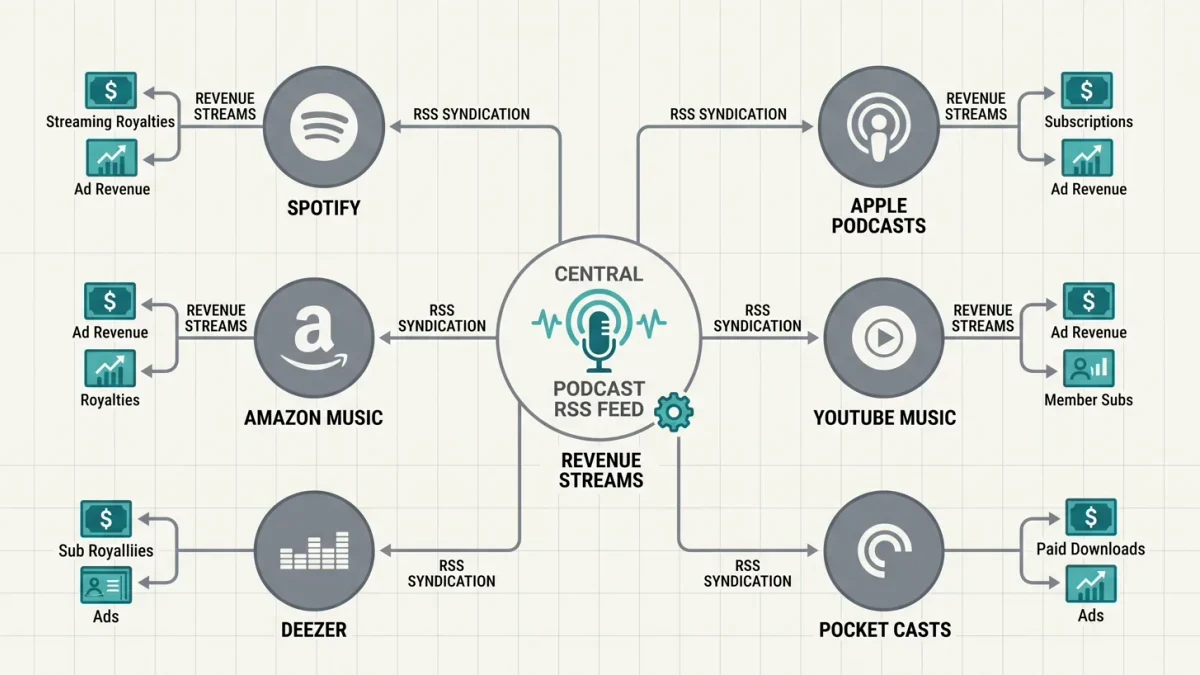
Distribution is commodity; monetization is the strategy decision. In the open model every show lives in Apple Podcasts, Spotify, YouTube and the open RSS ecosystem simultaneously, which means discovery advantages accrue to the show's brand and marketing, not to a platform's patronage. The monetization menu: host-read advertising sold directly or through networks (still the dominant revenue line, with the IAB's annual podcast ad reports showing steady market growth through the mid-2020s); platform ad revenue shares, which pay far less per listener but require no sales team; subscriptions — Apple and Spotify both offer paid tiers with published revenue splits; and patronage, which converts a show's most devoted listeners into recurring support. Publishers who treat audio as a retention product rather than an ad product increasingly run podcasts inside membership bundles, where the show's job is engagement, not independent profit.
What about video podcasts?
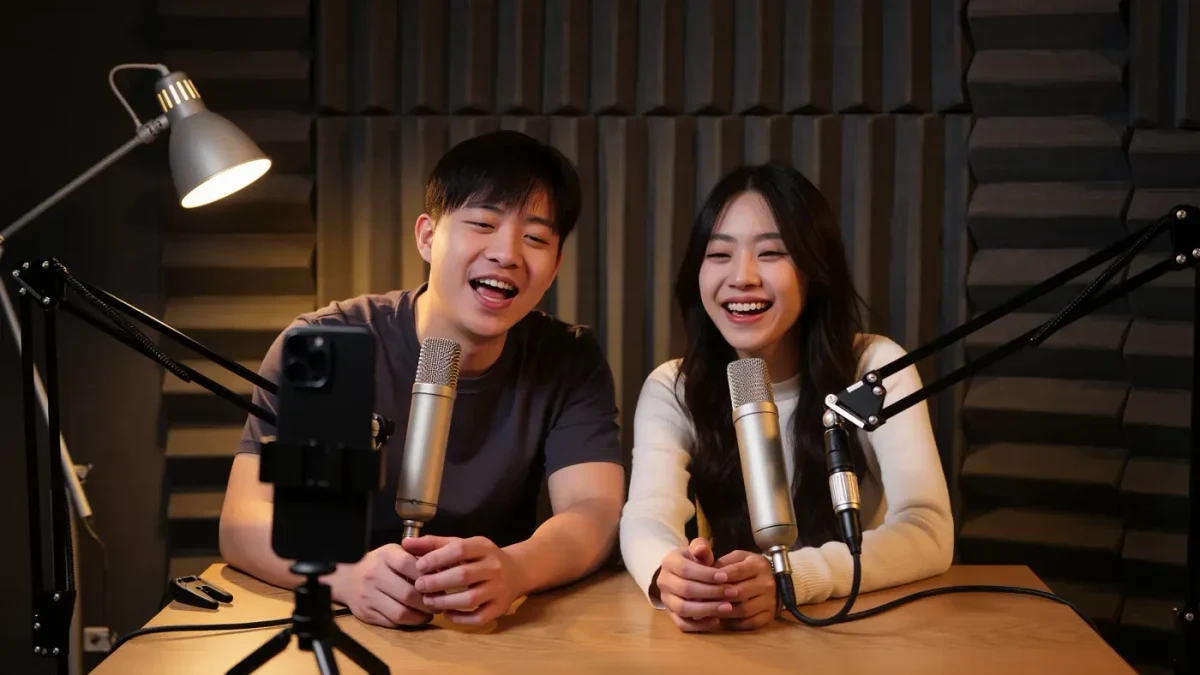
The other structural shift of 2023-2025: video became the default podcast interface for a large share of listeners, led by YouTube — which formalized podcast feeds and reported podcasts among its fastest-growing content categories. Publishers responded by treating audio as the derivative: record video, cut the audio feed, clip highlights for short-form. That changes cost structure (a studio, not a USB mic) and rewards shows with visual energy. For interview and panel formats the video-first workflow is now standard practice; for narrative audio documentaries it remains optional, and forcing video onto them rarely pays.
What generalizes?
The exclusivity arc is a case study in platform-dependence pricing: Spotify paid a premium to rent audiences, learned the rent exceeded the value, and reverted to the open model — the same lesson publishers absorbed from Facebook's news pendulum and from the 2024-2025 AI-referral turmoil, priced this time in hundred-million-dollar deals instead of traffic. The durable rule for a publisher: own the feed, own the audience relationship (email capture inside the show), and license distribution to everyone while depending on no one. What does not generalize is Spotify's catalog scale — its advertising economics work on volume most publishers will never have, and copying the strategy without the catalog is costume, not strategy.